Blog page 3
Dementia Caregiver Communication Techniques That Work

A familiar question can arrive for the tenth time before breakfast: “When are we going home?” Correcting the facts may feel logical. It may also spark fear, anger, or tears. Dementia caregiver communication techniques are not about winning an argument or forcing a person to remember. They are practical ways to reduce distress, protect dignity, and keep connection alive when the brain is changing.
This is serious family work. Dementia can alter memory, language, judgment, attention, and the ability to interpret another person’s tone. The person you love may accuse you of hiding money, refuse a shower, or insist they need to pick up children who are now adults. These moments are exhausting. But the right response can change the temperature in the room.
Why dementia changes ordinary conversation
Dementia does not erase a person’s emotions simply because it disrupts facts. Often, the feeling arrives first and the explanation follows. A person who says, “I need to go home,” may be expressing loneliness, discomfort, fear, boredom, or a need for something familiar. The words are real, even when the literal request cannot be met.
That is why correction can backfire. “This is your home” may be factually accurate, but it asks the person to process information their brain may no longer organize reliably. Repeatedly proving someone wrong can create a painful cycle: they feel confused, you feel frustrated, and neither person feels heard.
The goal is not to pretend every statement is true. Safety and basic honesty still matter. The goal is to respond to the emotion and need underneath the statement, then guide the moment somewhere calmer. For more articles and book of interest Click Here
Dementia caregiver communication techniques for calmer days
Start with connection, not correction
Before offering an explanation, acknowledge what you see. If your father says he must leave for work, try: “You sound worried about being late. Tell me about the job you had.” This recognizes his concern without trapping him in a debate about retirement.
Validation is not deception. It is respect for the emotional reality in front of you. Once the person feels heard, you may be able to redirect: “Let’s have some coffee first,” or “I could use your help folding these towels.” A small, familiar task can restore purpose and shift attention.
This approach depends on the situation. If someone is about to walk into traffic or take unsafe medication, clear intervention is necessary. Calmly block the danger, use few words, and offer an immediate alternative. Safety is not negotiable.
Use short sentences and one idea at a time
Long explanations can become noise for a brain struggling to hold several pieces of information at once. Instead of saying, “After we eat lunch, we need to get ready because your appointment is at two and then we’ll stop by the pharmacy,” break it down.
Say, “Lunch is ready.” Pause. Later, say, “We are going to the doctor at two.” Use a gentle tone and allow extra time for a response. Silence is not failure. Many people with dementia need longer to understand words and decide what to say.
Avoid firing off several questions at once. “Do you want to wear the blue shirt or the green shirt?” is easier than “What do you want to wear today?” Even better, show the two shirts. Visual cues often carry more weight than verbal instructions.
Change your tone before you change your words
A person with dementia may miss details but still read tension in your face, volume, speed, and posture. If you are rushing, standing over them, or speaking sharply, your words may not land as reassurance.
Approach from the front, make eye contact if it feels welcome, and say their name. Keep your voice low and unhurried. Sit beside them rather than looming above them. A relaxed face and an open hand can communicate safety more powerfully than a perfect sentence.
This is hard when you are tired. Caregivers are human, and no one stays patient every minute. When you feel yourself escalating, step away briefly if the person is safe. Take a breath, drink water, and return with fewer words. A reset is often more effective than pushing through an argument.
Ask questions that invite success
Memory tests disguised as conversation can cause unnecessary shame. “Do you remember who visited yesterday?” may expose a loss the person cannot control. Try sharing the information instead: “Sarah came by yesterday. She brought those lemon cookies you like.”
When you need cooperation, phrase requests as simple choices or invitations. “Would you help me set the table?” can work better than “You need to do something.” “Let’s wash up before dinner” is often gentler than “You have to take a shower now.”
The wording matters, but timing matters too. A bath may be easier in the morning for one person and impossible until afternoon for another. Watch for patterns in energy, agitation, hunger, pain, and fatigue. Communication improves when demands fit the person’s best hours.
Redirect without treating someone like a child
Redirection is one of the most useful dementia caregiver communication techniques, but it must be done with respect. The point is not to distract someone as if they are incapable. The point is to offer a bridge away from distress.
If your mother is searching for her own mother, begin with the feeling: “You miss her. She made you feel safe.” Then offer a meaningful bridge: look at an old photo, play music from her younger years, or ask what her mother cooked best. The past may be clearer and more emotionally available than the present.
Do not insist on redirection when the person needs comfort. Sometimes the kindest response is to sit quietly, hold a hand, and let the sadness exist. Not every painful emotion needs to be fixed.
What to avoid when communication breaks down
Certain habits intensify confusion even when they come from good intentions. Avoid arguing over facts, quizzing memory, talking about the person as if they are not present, and using a harsh “No” as your first response. Also avoid rapid speech, crowded rooms, blaring television, and complicated instructions during personal care.
It can help to look for physical causes when behavior suddenly changes. Pain, constipation, infection, dehydration, poor sleep, medication effects, hearing loss, or hunger can all show up as anger, withdrawal, or confusion. A sudden or dramatic change deserves prompt attention from a qualified medical professional, especially if delirium is possible.
Dementia education is valuable, but it does not replace medical advice, diagnosis, or treatment. If communication changes are new, severe, or paired with a health concern, contact the person’s clinician.
Build a communication routine the whole family can use
Mixed messages create chaos. If one relative argues, another makes promises they cannot keep, and a third speaks in commands, the person with dementia may become more unsettled. Families do better when they agree on a few plain principles: validate feelings, use simple language, protect safety, and avoid correcting every mistaken detail.
Keep a brief record of difficult moments for a week. Note what happened before the distress, the time of day, the environment, and what helped. You may find that agitation rises before dinner, during noisy visits, or when a certain task feels too rushed. Patterns give caregivers something concrete to change.
It also helps to preserve the person’s identity in conversation. Ask about work they were proud of, music they loved, places they knew, recipes they made, or skills they taught others. Dementia narrows some abilities, but it does not cancel a lifetime of experience. Respect is not a technique. It is the foundation.
The next difficult exchange does not require a flawless response. It asks for one calm voice, one simple sentence, and a willingness to meet the person where they are. That small act of patience can protect both of you when the day feels impossibly heavy.
How to Improve Mobility After 60 Without Fear

A stiff first step in the morning is not a character flaw, and slowing down does not have to become surrender. Learning how to improve mobility after 60 is about protecting a basic freedom: getting out of a chair, reaching the top shelf, walking through a store, stepping off a curb, and living in your own home with confidence.
The hard truth is that mobility can fade quietly. Many people stop moving because a knee aches, their balance feels uncertain, or they are afraid of falling. Then less movement creates more weakness, stiffness, and fear. That cycle is real, but it is not inevitable. The body responds to use at every age. Progress may be slower than it was at 30, but it is still possible and deeply worth pursuing.
How to Improve Mobility After 60 Starts With Daily Movement
Mobility is more than flexibility. It is the ability to move your joints through useful ranges of motion while having enough strength, balance, coordination, and endurance to control that movement. Touching your toes is not much help if you cannot safely stand from a low chair.
Start by noticing where daily life has become harder. Is it turning your head while backing out of a driveway? Carrying groceries? Getting up from the toilet? Climbing stairs? These are not minor inconveniences to ignore. They are practical signals that tell you which movements deserve attention.
The most effective routine is usually not an exhausting workout done once a week. It is frequent, manageable movement. A short walk after breakfast, a few chair stands before lunch, and gentle ankle and hip movement while dinner cooks can be more sustainable than an ambitious plan that disappears after three days.
If you have been inactive, begin with five to 10 minutes of purposeful movement most days. Walk indoors, use a stable countertop for support, or march gently in place. Add time gradually. Mild muscle effort is expected. Sharp pain, chest pressure, dizziness, sudden shortness of breath, or new weakness are not signals to push through. For more articles and book of interest Click Here
Build Strength Where Independence Depends on It
After 60, strength is not about chasing a bodybuilder’s physique. It is about preserving the muscle that makes ordinary life possible. Loss of leg and hip strength can make walking less steady and rising from a chair more difficult. Weak upper-body muscles can turn lifting a laundry basket or opening a heavy door into a risky task.
Focus on movements that resemble real life. Chair stands are one of the best places to begin. Sit toward the front of a sturdy chair, place your feet firmly under your knees, and stand without using your hands if you can do so safely. Sit down slowly. Even a few controlled repetitions teach the legs and hips to do a job they need every day.
Wall pushups can build upper-body strength without requiring you to get on the floor. Calf raises while holding a counter can strengthen the lower legs and help with walking stability. A simple resistance band can be useful for rows and side steps, but it is not mandatory. Your own body weight is a serious training tool when used consistently.
Aim for strength work two or three days a week, with a rest day between harder sessions. The right amount depends on your health, medications, joint condition, and starting point. A person recovering from surgery, living with osteoporosis, or managing severe arthritis needs a more individualized plan. The goal is challenge with control, not punishment.
Balance Training Is Fall Prevention, Not an Optional Extra
Falls can change a life in seconds. They can lead to fractures, hospitalization, loss of confidence, and a shrinking social world. That is why balance work deserves the same seriousness as walking or strength training.
Practice balance near a kitchen counter or sturdy chair, with something stable within reach. Stand with your feet together, then try a staggered stance with one foot slightly ahead of the other. When that feels secure, briefly lift one foot while keeping a hand close to support. The point is not to prove bravery. The point is to train your nervous system to make small corrections before a stumble becomes a fall.
Walking can also become balance practice. Try slow heel-to-toe steps along a counter, or walk while gently turning your head from side to side if it does not make you dizzy. Avoid practicing on unstable surfaces or closing your eyes. Those tricks may look impressive, but for many older adults they add risk without adding meaningful benefit.
Footwear matters more than people admit. Worn-out soles, loose slippers, and shoes that slide on smooth floors can undo good exercise habits. Clear cords, clutter, and poor lighting from the paths you use most. Mobility is built through exercise, but it is protected by a home that does not set traps.
Restore Range of Motion Without Forcing It
Stiff joints often make people stop moving, yet complete rest generally increases stiffness. Gentle range-of-motion work can make daily movement feel less restricted, especially in the ankles, hips, shoulders, and upper back.
Try ankle circles while seated, slow shoulder rolls, or controlled knee lifts while holding a counter. For hips, a comfortable seated march can be a smart beginning. For the upper back, sit tall and rotate gently to look over one shoulder, then the other. Move slowly enough to notice the difference between normal tightness and pain.
Stretching has a role, but it is not a cure-all. A stretch should feel like mild tension, not burning, bouncing, or a fight with your body. Holding a comfortable stretch after walking or after a warm shower may feel better than stretching cold, stiff muscles first thing in the morning. If a joint is swollen, hot, sharply painful, or suddenly limited, do not treat aggressive stretching as the answer.
Respect Pain and Get the Right Medical Help
There is a destructive message in fitness culture that says pain is weakness leaving the body. For older adults, that attitude can be reckless. Some discomfort from working muscles is normal. Persistent joint pain, pain that worsens at night, numbness, repeated buckling, sudden swelling, or a major change in walking deserves medical attention.
A clinician, physical therapist, or qualified exercise professional can help identify whether the obstacle is arthritis, medication side effects, a nerve issue, poor footwear, an old injury, or something more serious. This is especially important after a fall, hospitalization, stroke, joint replacement, or long period of inactivity.
Ask direct questions. What movements should I avoid? What level of walking is safe? Could my medications affect balance? Should I be evaluated for vision problems, neuropathy, or bone loss? Clear answers can replace vague fear with a plan.
This information is educational and does not replace personal medical advice. If you have heart disease, uncontrolled blood pressure, diabetes complications, severe osteoporosis, neurological symptoms, or significant pain, seek individualized guidance before beginning a new exercise program.
Make the Plan Too Simple to Fail
The best mobility plan is the one you repeat when motivation is low. Attach movement to routines that already exist. Do five chair stands after brushing your teeth. Walk for a few minutes after meals. Practice a supported balance stance while waiting for coffee. Write down what you did, not to chase perfection, but to see evidence that you are showing up.
Do not measure success only by the scale or by how far you can walk. Notice whether you stand up with less effort, feel steadier on stairs, turn more easily in the kitchen, or recover faster after errands. Those are meaningful wins. They are signs that independence is being defended in the place where it matters most: real life.
You do not need fearlessness to begin. You need a safe first step, repeated tomorrow. Every controlled rise from a chair and every steady walk down the hall is a vote for the life you want to keep living.
Caregiving when memory is fading
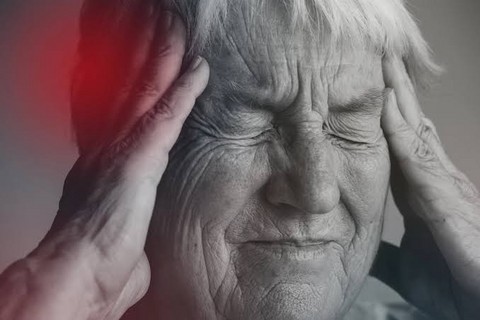
When memory loss, mobility problems, or a dementia diagnosis enters a household, loved ones are often pushed into a role they never trained for. They become appointment schedulers, medication reminders, safety monitors, advocates, and emotional anchors. They also remain spouses, adult children, siblings, and friends. That double burden is real.
A concise digital book cannot replace a physician, neurologist, geriatric specialist, or mental health professional. It can, however, help a family arrive at the right questions sooner and make daily decisions with less panic. That matters.
Why ebooks for family caregivers matter
Caregivers are short on time and often short on sleep. A long medical textbook may contain valuable information, but it may not help at 10:30 p.m. when a parent is confused, agitated, or refusing help. A well-written ebook can be read on a phone, tablet, or computer in the few minutes available between responsibilities. It is immediate, private, and easy to revisit. For more articles and book of interest Click Here
The greatest value is not simply information. It is orientation. Dementia and age-related decline can make families feel as if every new behavior is a personal betrayal, a failure, or a crisis caused by someone doing something wrong. Clear education helps separate the condition from the person. It may explain why reasoning no longer works in the same way, why familiar places become confusing, or why a loved one insists something happened when it did not.
That distinction changes the temperature in the room. Instead of arguing over facts, caregivers can focus on reassurance, safety, and the next useful action.
What a useful caregiver ebook should actually provide
Not every book labeled “caregiving” deserves a place on a stressed family’s device. Some are too vague. Others offer cheerful promises while avoiding the hard realities of cognitive decline, resentment, exhaustion, financial strain, and grief. Families need honest material.
A strong ebook should explain the condition in plain English without talking down to the reader. For dementia-related caregiving, that means addressing memory loss, changes in judgment, confusion, communication difficulties, wandering risk, sleep disruption, and personality shifts. It should help readers understand that symptoms can vary widely. One person may become quiet and withdrawn. Another may become suspicious, restless, or angry.
It should also offer practical guidance for daily life. The most useful books do not stop at definitions. They discuss routines, safer home environments, meal and medication challenges, bathing resistance, transportation decisions, and how to communicate when logic is no longer enough.
Finally, a trustworthy resource draws boundaries. It does not diagnose a loved one through a checklist or claim that one supplement, exercise, or diet will cure Alzheimer’s disease. Brain health habits can matter. Physical activity, social connection, sleep, nutrition, and medical follow-up may support overall health and quality of life. But bold promises are not the same as evidence.
Look for guidance that respects the person
The word “patient” can sometimes make families forget the whole human being in front of them. A good caregiver book keeps dignity at the center. It reminds readers that the person with dementia may still feel fear, embarrassment, loneliness, and loss even when they cannot explain those feelings clearly.
That changes everyday language. Rather than saying, “You already told me that,” a caregiver may learn to answer the emotion behind the repeated question. Rather than forcing a correction, they may redirect toward something calming and familiar. This is not about lying or treating an adult like a child. It is about recognizing that winning an argument does not equal helping a loved one.
Look for guidance that includes the caregiver
Caregiver burnout is not a character flaw. It is what happens when one person carries too much for too long. The family member who handles everything may begin to lose patience, sleep poorly, skip medical appointments, isolate from friends, or feel guilty for wanting a break.
A serious caregiving ebook should say this plainly: no one can sustainably provide constant care without support. That support may come from relatives, neighbors, adult day programs, respite care, faith communities, support groups, or professional in-home assistance. The exact mix depends on finances, family relationships, location, and the level of need. But pretending that love alone can cover every gap is a dangerous fantasy.
Use digital reading to prepare before the crisis
The best time to learn about caregiving is before a fall, hospital visit, driving incident, or dangerous episode of confusion forces the issue. Families often delay difficult conversations because they do not want to upset a parent or because siblings disagree about what they are seeing. Delay can make every later decision harder.
Reading together can give a family a shared vocabulary. One adult child may be focused on safety. Another may be worried about independence. A spouse may be trying to protect normalcy. An ebook that clearly explains common patterns can move the conversation away from blame and toward facts.
It can also help families prepare a simple plan. Who will attend medical appointments? Where are legal and financial documents kept? Who can check in regularly? What signs would mean that living alone is no longer safe? These questions are uncomfortable, but they are far less painful when discussed before an emergency.
Do not assume every memory lapse means dementia. Stress, depression, medication effects, sleep problems, infections, hearing loss, thyroid issues, and other medical conditions can affect cognition. Sudden confusion, especially, deserves prompt medical attention. Educational reading should encourage evaluation, not replace it.
The trade-off: information can help, but too much can overwhelm
Caregivers can easily become trapped in research mode. They read late into the night, compare symptoms, and search for certainty that no book can provide. Information is powerful when it leads to better questions and calmer decisions. It becomes harmful when it feeds fear without producing action.
Choose one focused topic at a time. If nighttime agitation is the urgent problem, read about routines, environmental triggers, and communication strategies. If the family is debating whether a loved one can still drive, seek material that addresses judgment, safety, and how to approach the conversation respectfully. If everyone is exhausted, read about respite and the realities of care planning.
This approach is more useful than collecting dozens of titles and finishing none of them. A digital library should serve the caregiver, not become another obligation.
Build a reading plan around real life
The most effective caregiver education is usually small and repeated. Read a chapter before a doctor’s appointment and write down questions. Revisit a section after a difficult day. Share a relevant passage with a sibling who does not fully understand what is happening. Keep notes on changes in mood, mobility, sleep, appetite, and daily functioning.
For families confronting dementia, books about brain wellness and aging can also be valuable when they are grounded and realistic. They may encourage healthier routines while making clear that prevention, risk reduction, treatment, and caregiving are different subjects. Families deserve hope, but they deserve truth more.
Zapi Books exists for readers who want direct, accessible material about urgent health realities rather than vague reassurance. For a family caregiver, the right digital book can become a steady reference point when emotions are running high and decisions cannot wait.
A loved one’s independence may change. Your family’s role may change with it. But informed care can still protect dignity, reduce avoidable conflict, and create more moments of connection. Start with the question in front of you, read with clear eyes, and let knowledge help you show up with greater patience tomorrow.
October 7 Attack Survivor Stories That Must Be Heard

On October 7, 2023, ordinary Israeli mornings became scenes of terror. Families in southern communities woke to rockets, gunfire, arson, and armed Hamas terrorists entering homes. Young people at a music festival ran for their lives. Others were taken hostage into Gaza. October 7 attack survivor stories matter because they refuse the comforting distance of headlines. They place human faces, names, fear, courage, and unbearable loss at the center of an event too often reduced to political language.
These accounts are not interchangeable. A survivor from a kibbutz does not tell the same story as someone who escaped the Nova music festival. A released hostage carries a different wound from a parent waiting for a loved one to return. Yet together, their testimony establishes something no slogan can erase: this was a coordinated assault on civilians, and the trauma did not end when the first day ended.
Why October 7 Attack Survivor Stories Matter
Numbers can convey scale, but they cannot convey the sound of a safe room door being forced, the panic of hiding silently for hours, or the terrible uncertainty of a last text message. Survivor testimony gives moral clarity to facts. It records what happened to people who were not soldiers on a battlefield, but grandparents, children, students, farmers, medics, and friends gathered for music. For more articles and book of interest Click Here
That clarity matters in a culture where images vanish quickly and public attention moves on. It also matters because denial, distortion, and selective memory follow atrocities with alarming speed. When survivors speak, they are not asking strangers to consume their pain as spectacle. They are insisting that the world recognize the reality they endured.
There is a difference between studying a conflict and hearing a person explain how they stayed silent in a shelter while terrorists searched nearby. Both have a place. But only testimony makes the consequences of hatred impossible to keep at arm’s length.
The homes that became targets
In kibbutzim and communities near Gaza, many survivors describe a brutal collapse of normal life. Homes that had represented family, routine, and safety became places of siege. People hid in safe rooms, closets, and fields. Some spent hours communicating in whispers by text, hoping emergency responders would arrive before attackers found them.
The details are painful precisely because they are domestic. A locked door. A child told not to cry. A parent unable to reach a relative next door. These are not abstract symbols. They show what terrorism does when its targets are civilians living their daily lives.
For older readers and caregivers, these stories may feel especially personal. They remind us that vulnerability is not only a medical or financial concern. Communities need security, preparedness, and a serious public willingness to recognize threats before they reach the doorstep.
The Nova survivors and the fight to live
The Nova music festival survivors faced another kind of nightmare: an open landscape with little protection and violence arriving at overwhelming speed. Many fled on foot, hid under brush, sheltered in vehicles, or helped strangers despite the danger. Some survived because another person made room in a car. Others survived by staying absolutely still and hoping not to be seen.
Their accounts hold both terror and extraordinary human decency. In moments of chaos, people warned others, shared water, drove toward danger to look for friends, and made impossible choices under fire. Recognizing that courage does not soften the evilness of the attack. It reveals the human instinct to protect life even when confronted by immense evilness.
These stories should never be treated as entertainment or as material for partisan argument. They are testimony from people whose lives were divided into before and after. To hear them responsibly is to accept that their memories cannot be neatly packaged into a news cycle.
Captivity, absence, and the families left behind
Hostage testimony adds another dimension that many readers find difficult to face. Captivity is not only a past event for those who return. It can leave physical, emotional, and psychological injuries that continue long after release. For families of those still unaccounted for or killed, uncertainty itself becomes a form of daily torment.
The hostage crisis also exposes the moral stakes of October 7 with devastating force. People were abducted from homes, communities, and a festival, then used as leverage by a terrorist organization. Their families have had to speak publicly, advocate constantly, and endure the cruelty of waiting.
Readers should resist the temptation to demand a single, polished version of trauma. Memory can be fragmented. Survivors may describe fear, anger, numbness, guilt, faith, confusion, or all of these at once. That complexity does not weaken their testimony. It reflects the reality of surviving what should never have happened.
How to Read Survivor Testimony With Respect
The right response to survivor accounts is not passive sadness. It is careful attention followed by moral seriousness. Start by allowing each person to speak as an individual rather than turning them into a symbol for a political position. Their story belongs to them.
Avoid chasing graphic details. The central truth of October 7 does not depend on voyeurism. Readers do not need to relive every horror in order to understand that civilians were deliberately targeted, murdered, wounded, and kidnapped. Respect means learning without treating another person’s suffering as content to scroll past.
It also means refusing false equivalence. Compassion for civilian suffering is not a contest, and concern for innocent people anywhere should be real. But compassion does not require denying who initiated the October 7 massacre, what Hamas did, or Israel’s right to defend its people and bring hostages home.
For parents, educators, and community leaders, age and readiness matter. Younger people may need simple, truthful explanations without graphic detail. Adults may need room to discuss grief, antisemitism, fear, and the misinformation that spreads whenever Jewish communities are attacked. Silence leaves room for those who seek to rewrite reality.
Testimony Is Also a Security Warning
October 7 survivor stories are not only records of the past. They are warnings about the cost of complacency. Israel’s security is not an academic issue for the people who live within range of rockets, along vulnerable borders, or in communities repeatedly targeted by terror groups.
The attack also exposed a wider danger: hatred against Jews does not remain theoretical when it is tolerated, minimized, or excused. In the United States, many Jewish Americans watched the aftermath with disbelief as some voices rushed to rationalize the murder and abduction of civilians. That response has left its own scar.
A serious reader can hold more than one truth at once. War brings suffering. Innocent civilians deserve protection. Governments can be questioned. None of that changes the basic fact that Hamas carried out the October 7 attack or that survivor testimony deserves to be believed without qualification.
This is why firsthand narratives, documentary accounts, and carefully researched books remain essential. They preserve details that social media flattens and provide a durable record for readers who want more than slogans. Zapi Books exists for readers who believe difficult realities should be faced directly, not softened until their meaning disappears.
What Memory Requires From Readers
Not everyone can visit a memorial, meet a survivor, or participate in a community gathering. But every reader can reject indifference. Read thoughtfully. Share credible testimony with people willing to listen. Challenge casual falsehoods. Support the return of every hostage. Stand against antisemitism wherever it appears, including when it disguises itself as fashionable political language.
Memory is not valuable because it keeps people trapped in grief. It is valuable because it asks something of the living. October 7 attack survivor stories ask us to see clearly, speak honestly, and refuse to let terror become ordinary.
Al Aqsa Mosque Conflict History Explained

For Muslims, Al Aqsa is among Islam's holiest places. For Jews, the same hill is the Temple Mount, the site of the First and Second Jewish Temples and the holiest location in Judaism. For Israelis and Palestinians, it is also a question of national identity, sovereignty, security, and survival. Anyone who wants to understand Jerusalem honestly must start by recognizing that all of those dimensions are real, even when people fiercely disagree about what they mean.
Al Aqsa Mosque Conflict History Starts With Sacred Geography
People often use “Al Aqsa” to describe the entire 35-acre compound known to Muslims as Haram al-Sharif, or the Noble Sanctuary. Strictly speaking, Al Aqsa Mosque is the large covered mosque at the compound's southern end. The compound also includes the Dome of the Rock, courtyards, gates, religious schools, and other structures. Jews generally call the entire area the Temple Mount. For more articles and book of interest Click Here
That distinction matters. Arguments over a prayer visit, an archaeological claim, police access, or a gate closure may concern the broader compound, not only the mosque building. Careless language makes an already combustible dispute harder to understand.
Jewish tradition identifies the mount as the location of the biblical Temples, including the Second Temple destroyed by Rome in 70 CE. The Western Wall below it is the most important Jewish prayer site accessible under current arrangements. Muslims revere the sanctuary as the place connected to the Prophet Muhammad's Night Journey and Ascension. The present Al Aqsa Mosque and Dome of the Rock were built under early Islamic rule in the late seventh and early eighth centuries.
These histories do not cancel one another. Jerusalem has been sacred to Jews for millennia and central to Muslim devotion for more than thirteen centuries. The conflict emerges when ancient attachment becomes a modern contest over exclusive control.
British Rule Turned Tension Into Political Conflict
Under Ottoman rule, religious communities lived with restrictions, rivalries, and occasional unrest, but the modern conflict intensified during the British Mandate after World War I. Jewish immigration, Arab opposition to Zionism, competing national movements, and British policy created a volatile environment.
Disputes around the Western Wall became especially dangerous in 1929. Rumors and nationalist mobilization fed rioting in Jerusalem, Hebron, Safed, and elsewhere. Jewish communities suffered horrific attacks, including the massacre of Jews in Hebron. Arabs were also killed in the violence and British authorities responded harshly. The episode showed a pattern that has returned many times: a dispute at a holy place can become a vehicle for much wider political rage.
The site was never merely about stones. It became a symbol through which each side feared erasure. Palestinians feared that Jewish national aspirations would displace them from their land and city. Jews, facing centuries of persecution and then the looming catastrophe in Europe, saw denial of their connection to Jerusalem as another attempt to deny their peoplehood.
1948 to 1967: A Divided Jerusalem
After Israel's establishment in 1948 and the ensuing war, Jordan controlled East Jerusalem, including the Old City and the Temple Mount/Haram al-Sharif. Israel controlled West Jerusalem. Jews were barred from access to the Western Wall and other Jewish holy sites in the Old City during Jordanian rule. Synagogues in the Jewish Quarter were damaged or destroyed.
This period matters because it challenges the comforting fiction that Jerusalem's holy places were always open and peacefully managed before 1967. They were not. Access depended on military control and political decisions.
In June 1967, during the Six-Day War, Israel captured East Jerusalem from Jordan. Israeli forces reached the Temple Mount, but Defense Minister Moshe Dayan made a consequential decision: Israel would retain overall security authority while the Islamic Waqf would continue administering the compound's religious affairs. The arrangement was designed to prevent a religious war from becoming even more explosive.
That arrangement is commonly called the status quo. Its details have shifted and are contested, but its central principle remains vital: Muslims pray at the compound, while non-Muslims may visit during designated hours under Israeli security control. Jewish prayer on the mount has traditionally been restricted, even though some Jewish activists challenge that restriction and some Israeli officials have at times appeared to weaken it.
Why the Status Quo Is So Fragile
The status quo satisfies almost no one completely. Many Palestinians see Israeli policing and control of entrances as proof that Israel can change the rules whenever it chooses. Many Israelis see the need for security screening as unavoidable after attacks, riots, and threats against worshipers and police. Religious Jewish activists argue that Jews should be able to pray at their holiest site. Most Muslim authorities and many Palestinians view visible Jewish prayer there as a direct threat to Muslim custodianship and a possible first step toward dividing or replacing the sanctuary.
Intentions are fiercely disputed. In practice, perception often drives events more quickly than facts do. A police action taken as crowd control may be viewed as an assault on a mosque. A religious visit framed as peaceful may be seen as a nationalist provocation. Viral videos, old photographs presented as new, and inflammatory sermons can spread a claim long before anyone checks it.
Israel has legitimate security obligations. Its citizens have endured terrorism, stabbings, shootings, rocket attacks, and the mass slaughter carried out by Hamas on October 7, 2023. At the same time, force used at one of Islam's most sacred places carries an enormous human, religious, and political cost. Security policy that ignores that reality can deepen the very danger it seeks to contain.
Flashpoints That Changed the Conflict
Several moments explain why Al Aqsa has become a rallying cry far beyond Jerusalem. In 1990, deadly clashes followed a confrontation at the compound. In 1996, the opening of a Western Wall tunnel exit triggered major unrest, fueled by Palestinian fears that Israel was undermining Muslim structures. The tunnel did not run beneath Al Aqsa Mosque itself, but the fear was politically potent.
In September 2000, opposition leader Ariel Sharon visited the Temple Mount under heavy police protection. Palestinians viewed the visit as a deliberate assertion of Israeli power. The visit did not create every cause of the Second Intifada, which had deeper roots in failed diplomacy, occupation, terrorism, and mutual distrust. But it became the spark and symbol of a devastating uprising that killed thousands of Israelis and Palestinians.
In 2017, a deadly attack near the compound led Israel to install metal detectors at entrances. Widespread Muslim protests followed. Israel removed them after intense pressure. In 2021, clashes during Ramadan and fears over evictions in the Sheikh Jarrah neighborhood contributed to violence in Jerusalem and an eleven-day war between Israel and Hamas. Hamas regularly invokes Al Aqsa to portray its violence as religious defense, even when its actions place both Israelis and Palestinians in greater danger.
That exploitation must be named plainly. Al Aqsa is deeply sacred to Muslims. It is also repeatedly used by Hamas, Iran-backed groups, and other actors to incite hatred, recruit supporters, and justify attacks on civilians. Defending holy places never justifies murdering families, firing rockets at cities, or turning worship into a weapon.
What Honest Reading Requires
The hardest part of the Al Aqsa dispute is refusing simplistic stories. It is false to say Jews have no historic or religious connection to the Temple Mount. It is equally false to say Muslims invented their connection to the sanctuary for modern political purposes. Both claims erase history in service of propaganda.
It is also a mistake to treat every Palestinian concern as support for Hamas, or every Israeli security measure as evidence of a plan to destroy Al Aqsa. Policies should be judged by evidence, outcomes, and context. Palestinian civilians deserve safety and religious dignity. Israeli civilians deserve safety from terror and incitement. These are not competing moral luxuries.
For readers trying to assess a new headline, ask basic questions before sharing it: What exactly happened? Was it inside the mosque, elsewhere in the compound, or near a gate? Who is making the claim, and what evidence is available? Does the report distinguish religious practice from political theater? Those questions do not remove the conflict, but they make manipulation harder.
Jerusalem will not become safer through historical denial or religious contempt. Serious people should protect freedom of worship, reject terror without qualification, and resist anyone who turns a sacred place into permission for endless violence. That is not neutrality. It is a demand for reality, restraint, and moral clarity where they are needed most.