Physical Activity and Health Related Quality of Life
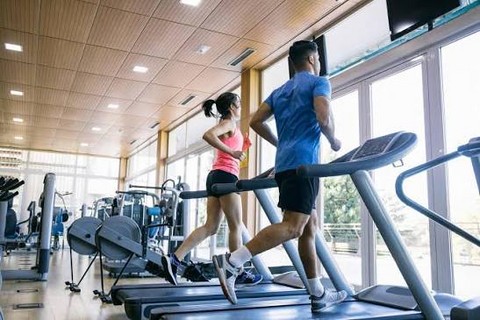
The warning often arrives quietly: stairs feel steeper, a grocery trip requires recovery time, sleep is lighter, and fear of falling starts shaping every decision. Physical activity and health related quality of life are connected because movement affects far more than weight or appearance. It affects whether a person can keep living on their own terms.
For middle-aged adults, older adults, and family caregivers, that is the real issue. A longer life without strength, balance, energy, connection, or mental clarity is not the goal. The goal is to preserve the ability to get up, think clearly, move confidently, participate in family life, and face the future with less dependence.
Quality of life is not a soft measure
Health-related quality of life describes how health affects day-to-day living. It includes physical function, pain, fatigue, mood, sleep, social participation, and a person's sense of control. A medical test can look acceptable while a person still feels trapped by exhaustion, stiffness, anxiety, or loss of confidence. That gap matters. For more articles and book of interest Click Here
Movement is one of the few practical tools that can touch several of these areas at once. Regular activity can improve endurance and strength, support sleep, reduce stress, and make ordinary tasks less demanding. For many people, it also restores something that is easy to lose after illness, injury, or years of inactivity: the belief that their body can still respond.
This does not mean exercise is a cure-all. It does mean passivity has a cost. Muscles weaken when they are not challenged. Balance becomes less reliable when it is never practiced. Avoiding activity because one feels unsteady can eventually make unsteadiness worse. The body adapts in both directions.
The daily-life test
Forget the fitness industry’s obsession with punishment and perfect bodies. Ask more serious questions. Can you carry laundry without straining? Walk through a store without needing to sit down? Rise from a chair without using your hands? Turn your head and body comfortably while backing out of a parking space? Keep up with a grandchild, a spouse, or a dog?
These are not small victories. They are markers of independence. They are also more meaningful than a number on a scale for someone trying to protect their future.
Why physical activity changes health related quality of life
Physical activity works through several connected systems. Aerobic movement, such as brisk walking, cycling, swimming, or dancing, challenges the heart and lungs. Over time, routine tasks may require less effort. A person who used to become breathless walking across a parking lot may find that the same distance no longer controls the day.
Strength work matters just as much, especially with age. Leg and hip strength help with stairs, standing, carrying, and recovering from a stumble. Upper-body strength helps with lifting, reaching, opening doors, and using mobility aids when they are needed. Muscle is not a cosmetic extra. It is functional insurance.
Balance and mobility training deserve equal respect. Controlled heel-to-toe walking, standing near a counter while shifting weight, tai chi, and carefully guided exercises can help train the body to react more effectively. The right activity depends on the person. Someone with severe arthritis, neuropathy, dizziness, or a history of falls may need an individualized plan rather than generic online advice.
The emotional effects are also real. Activity can create structure when depression, grief, caregiving demands, or retirement has made the days feel shapeless. A walk outdoors can offer light exposure, a change of scenery, and human contact. Group classes may reduce isolation. Solo exercise can provide calm and privacy. There is no single best format. The best format is one a person can safely repeat.
Start small enough to win
The most damaging exercise plan is often the heroic one that lasts four days. A sedentary person does not need an extreme challenge. They need a repeatable beginning that proves movement is possible.
Start with a clear baseline. If a five-minute walk is currently difficult, begin there. If walking is painful, a seated routine, water exercise, or a stationary bike may be more realistic. Add a little time or effort gradually as the body adjusts. The first mission is consistency, not exhaustion.
A practical week might include purposeful walking on most days, two sessions of simple strength exercises, and brief balance practice. The exact amount should reflect current health, medication effects, mobility, and medical guidance. A person recovering from surgery or dealing with chest pain, unexplained shortness of breath, fainting, major joint swelling, or a recent fall should seek professional medical advice before pushing forward.
Build strength for real life
Strength training does not require a gym membership or complicated machines. For many beginners, a stable chair, a wall, resistance bands, and light hand weights are enough. Chair stands, wall push-ups, supported step-ups, band rows, and controlled carries can build useful strength when performed with good form.
The key is progression. When an exercise becomes easy, add a few repetitions, use slightly more resistance, or improve control. Do not rush. Sharp pain, joint instability, or symptoms that feel wrong are not signs of productive effort. They are signals to stop and reassess.
Make balance a routine, not an emergency response
Many people think about balance only after a fall. That is backward. Balance needs attention before fear takes over. Brief practice near a sturdy counter or with another person nearby can be valuable: standing with feet closer together, shifting weight from side to side, practicing controlled turns, or walking heel to toe if it is safe.
Footwear, vision, home lighting, medication side effects, and clutter also affect fall risk. Exercise is powerful, but it is not the entire answer. A safe home and an honest review of personal risks belong in the plan.
Movement can support cognitive independence
Brain health is not separate from physical health. Reduced activity can feed a destructive cycle: less movement, poorer sleep, lower mood, less social contact, and fewer reasons to leave the house. For adults worried about memory loss or dementia, protecting physical capacity can help preserve routines and engagement that keep life mentally active.
No workout can promise prevention of Alzheimer’s disease or erase a diagnosis. Claims like that are reckless. But physical activity can support circulation, sleep, mood, and confidence, all of which influence how a person functions. It can also create occasions for conversation, navigation, music, learning, and routine. Those are meaningful forms of brain engagement.
For caregivers, movement may need to be simplified. A short walk at the same time each day, music paired with seated movement, or a familiar class can be more effective than a complicated program. The objective is not athletic performance. It is dignity, participation, and a safer daily rhythm.
Make activity hard to avoid
Motivation is unreliable. Environment and routine are stronger. Put walking shoes by the door. Schedule movement before the day gets crowded. Choose an enjoyable route. Keep a chair and resistance band visible instead of buried in a closet. If social accountability helps, arrange a standing walk with a neighbor or family member.
It also helps to separate discomfort from danger. Early movement can bring normal muscle soreness, a faster heartbeat, and the frustration of feeling out of shape. Those are not the same as crushing chest pressure, severe breathlessness, sudden weakness, confusion, or sharp worsening pain. Learn the difference, and do not gamble with serious symptoms.
Progress will not be perfectly linear. Illness, heat, caregiving crises, travel, and bad sleep can interrupt a routine. Missing a week does not erase everything. Return with a smaller version of the habit rather than deciding the effort has failed. Ten minutes counts. One set counts. A walk around the block counts.
Protect the life you want to keep
Physical activity and health related quality of life are ultimately about a standard worth defending: the ability to participate in your own life. Start where you are, choose movement that fits your body and circumstances, and repeat it with patience. The most powerful routine is not the one that looks impressive. It is the one that helps you keep saying yes to the ordinary freedoms that make life yours.
The one foot Balanceexercise to improve brain function
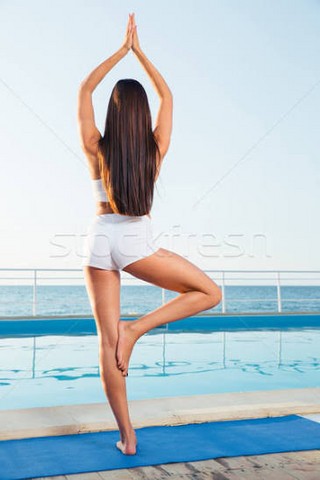
Falls are not an inevitable part of getting older. But ignoring declining balance is a dangerous form of wishful thinking. A few careful minutes of practice can help many older adults notice changes early, train useful strength, and move through daily life with more control.
Why standing on one foot is a serious test of independence
Walking is not simply putting one foot in front of the other. With every step, the body spends a moment supported by one leg. That is why single-leg balance has real-world value. It can make it easier to climb stairs, step over a pet, get dressed while standing, turn quickly in the kitchen, or recover when the sidewalk is uneven.
One-leg standing is not a contest and it is not a diagnosis. Someone with arthritis, neuropathy, a joint replacement, poor vision, or a history of stroke may need a very different plan. Still, the exercise gives people and caregivers a practical starting point. It asks a direct question: can you safely control your body over one leg? For more articles and book of interest Click Here
The one foot balance exercise seniors should start with
Choose a stable location, preferably a kitchen counter with no wheels or a solid railing. Clear the floor. Wear supportive shoes if bare feet feel unstable, numb, painful, or slippery. Do not practice beside a bed, a soft couch, or a lightweight chair that could move when grabbed.
Stand tall with both hands resting lightly on the counter. Place your feet about hip-width apart and look straight ahead. Shift your weight slowly onto one foot. Keep the knee of that standing leg softly bent, not locked. Then lift the other foot just an inch or two off the floor.
Hold for as long as you can with good control, up to 10 seconds at first. Lower the foot with intention, reset, and repeat on the other side. Aim for three to five attempts per side. Rest whenever needed.
The goal is not to force a long hold on day one. The goal is to stay calm, upright, and in control. If the hips twist, the upper body leans hard, or the raised foot repeatedly touches down, that is useful information. Make the exercise easier rather than turning it into a risky challenge.
Progress by reducing support, not by taking chances
Once a person can hold the position comfortably with both hands nearby, move to fingertips on the counter. Later, use one hand. Eventually, some people can hover a hand close to the surface without touching it. Each stage can take days or weeks. There is no prize for rushing.
A sensible routine is to practice most days, perhaps while waiting for coffee to brew or before a regular walk. Frequent short practice usually beats one exhausting session. Balance improves through repeated nervous-system learning, not through heroics.
Do not close the eyes to make the exercise harder unless a qualified physical therapist has specifically recommended it and the setting is properly supervised. Removing visual input can sharply increase fall risk. The internet loves dramatic progressions. Your hips and wrists do not care what looks impressive online.
What makes the exercise safer and more effective
The standing foot should press evenly into the floor. Many people collapse inward at the arch or grip their toes desperately. Instead, think of keeping steady contact through the heel, the base of the big toe, and the outer edge of the foot. This gives the ankle a stronger platform from which to make small corrections.
Keep breathing. Holding the breath often adds tension and makes the body stiffer. Let the shoulders stay down, gently tighten the abdomen, and focus on a fixed point ahead. A relaxed, alert posture is more useful than a rigid one.
Practice both sides. Most people have a stronger and weaker leg, but a striking difference can be worth discussing with a clinician, especially if it is new. The weaker side may reflect old injury, pain avoidance, reduced sensation, or a neurological change. It may also simply need more patient training.
Single-leg work alone is not enough. Better balance needs stronger legs and hips, plus the ability to react. Sit-to-stands from a firm chair, supported heel raises, gentle marching at the counter, and regular walking can complement one-foot practice. If a person cannot safely rise from a chair without using their hands, that issue deserves attention too.
When to stop and get medical guidance
Do not push through dizziness, faintness, chest discomfort, new shortness of breath, severe joint pain, or a sudden feeling that one side of the body is not cooperating. Stop immediately, sit down safely, and seek appropriate medical advice. New weakness, facial drooping, trouble speaking, sudden confusion, or a severe sudden headache may be emergency warning signs.
Older adults who have fallen, use a cane or walker, take medications that cause drowsiness or lightheadedness, have Parkinson's disease, diabetes-related numbness, significant osteoporosis, or a recent surgery should ask a doctor or physical therapist how to begin. That is not surrendering independence. It is protecting it.
Caregivers should take repeated near-falls seriously. A loved one may minimize them out of embarrassment or fear of losing autonomy. Ask specific questions: Have you caught yourself on furniture? Do you feel unsteady when turning? Are you avoiding stairs? Has a medication changed? Clear answers are more useful than asking whether everything is “fine.”
Measure progress without becoming obsessed with numbers
Keep a simple note of the best controlled hold on each leg, along with whether one or two hands were used for support. Repeat the same setup and conditions each time. A counter hold in good shoes cannot be compared fairly with a barefoot attempt in the middle of a living room.
Progress may show up outside the exercise before it shows up on a timer. Getting in and out of the shower may feel less tentative. Turning to answer the door may feel easier. A person may walk with their eyes up instead of fixed on the ground. Those ordinary wins are not small. They are the building blocks of freedom.
On the other hand, a sudden decline is a reason to pay attention, not to train harder. Balance can be affected by dehydration, infection, poor sleep, new medications, vision changes, blood-pressure problems, and neurological conditions. Exercise supports health, but it cannot explain away every symptom.
A practical habit with high stakes
The best one foot balance exercise for seniors is the one done consistently, in a safe place, at an appropriate level. It requires no expensive machine and no special athletic background. What it demands is honesty: notice where the body is today, respect its limits, and work to preserve what still can be strengthened.
Give this small practice a permanent place near the counter, alongside the routines that keep a household running. A steadier next step is worth protecting.
How to start exercising after 50 without injury
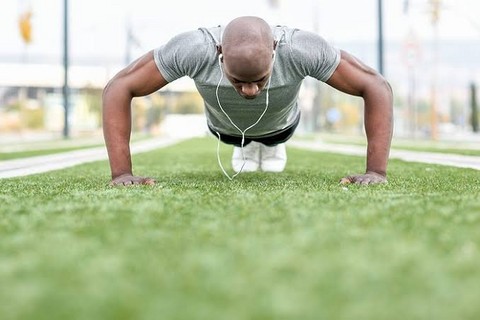
The worst first move is often the most dramatic one: buying expensive gear, taking a brutal class, and waking up unable to move three days later. That approach creates pain, embarrassment, and another abandoned promise. Start smaller. Start honestly. Then build something strong enough to last.
How to Start Exercising After 50 With a Safer Mindset
Exercise after 50 is not a test of toughness. It is a long-term investment in mobility, heart health, muscle, bone strength, mood, and cognitive independence. The goal is not merely to burn calories. The goal is to make ordinary life easier and to preserve the physical capacity that too many people lose by becoming sedentary.
Begin with your current reality, not your former identity. Maybe you once ran races, played sports, or lifted weights. Maybe you have never followed an exercise routine. Neither story should dictate what happens next. Your starting point is what you can do today with good control and without alarming symptoms.
If you have been inactive for a long time, have a chronic medical condition, take several medications, or have concerns about your heart, joints, breathing, or balance, speak with your physician or a qualified clinician before starting. This is especially wise if activity brings chest pressure, unexplained shortness of breath, fainting, severe dizziness, or pain that is sharp, sudden, or worsening. Exercise is powerful, but it is not a substitute for medical evaluation or individualized treatment. For more articles and book of interest Click Here
Start With Movement You Can Repeat
The first two weeks should feel almost too easy. That is not failure. It is strategy.
A practical beginning can be a 10-minute walk after breakfast or dinner, five days per week. Walk at a pace that raises your breathing somewhat but still allows you to speak in full sentences. If 10 minutes is too much, begin with five. If walking outdoors feels unsafe because of heat, uneven sidewalks, traffic, or balance concerns, use an indoor hallway, a mall, a community center, or a treadmill with handrails available.
Consistency matters more than intensity at this stage. A 10-minute walk done regularly tells your muscles, heart, and nervous system to adapt. It also rebuilds trust. You are proving that movement can fit into your life without becoming a source of dread.
After one or two steady weeks, add a few minutes to selected walks. There is no prize for increasing every day. If your knees, hips, feet, or lower back complain beyond ordinary mild soreness, hold steady or reduce the duration. Pain is information, not a moral failing.
Strength Training Is Not Optional Forever
Walking is an excellent foundation, but it does not fully address muscle loss. Adults naturally lose muscle mass and power with age, particularly when they are inactive. That loss can affect the ability to rise from a chair, carry groceries, climb stairs, recover from a stumble, and maintain independence.
Two strength sessions per week can make a meaningful difference. You do not need a complicated gym routine. Start with simple movements that resemble daily tasks: sitting down and standing up from a sturdy chair, wall push-ups, step-ups on a low stable step, and pulling a resistance band toward your ribs.
Use slow, controlled repetitions. Stop while your form is still solid, rather than pushing until it collapses. A sensible first session might include one set of 8 to 10 repetitions for each movement. As it becomes manageable, add a second set, then gradually use a slightly stronger band, light dumbbells, or a higher number of repetitions.
The trade-off is simple: strength work can cause mild soreness when it is new, but avoiding it altogether leaves muscle loss unchallenged. Sharp joint pain, swelling, tingling, or pain that changes the way you walk is not normal training discomfort. Pause and seek professional guidance if those symptoms persist.
Make Balance Part of the Plan
A fall can change a life quickly. Balance training deserves attention before there is a crisis, not after one.
Add a few minutes of balance practice three or four days a week. Stand near a kitchen counter or sturdy chair and hold on as needed. Practice shifting weight from one foot to the other, standing with feet close together, or briefly lifting one foot while keeping a hand close to support. The purpose is not to show off. The purpose is to teach your body to respond when the ground is uneven, you turn too quickly, or you step off a curb.
Balance improves through practice, but it depends on many factors, including vision, inner-ear function, medications, nerve health, footwear, and home hazards. If you have fallen recently or often feel unsteady, do not dismiss it as old age. Tell your health care provider. A physical therapist can assess gait, strength, and balance in ways a generic online routine cannot.
Build a Week That Works in Real Life
A good routine is not the most ambitious routine on paper. It is the one you still do during a busy week, a stressful season, or an Arizona summer when outdoor exercise becomes punishing.
Aim eventually for a mix of moderate aerobic activity, strength training, and balance work. Public health guidance often points toward 150 minutes of moderate aerobic activity per week, but that number is a destination, not a starting line. Five 10-minute walks are better than zero minutes because you think the full recommendation is out of reach.
Put movement on the calendar as a non-negotiable appointment. A walk before the day gets hot, chair exercises during a favorite television program, or resistance-band work before a shower can become reliable cues. Motivation rises and falls. A routine attached to an existing habit has a better chance of surviving.
It can help to keep a simple record: minutes walked, strength sessions completed, and one sentence about how you felt. This is not obsessive tracking. It is evidence. When your mind says nothing is changing, your record may show that you have walked 18 times this month, climbed stairs with less effort, or stood up from the couch more easily.
Do Not Let Soreness or Slow Progress Stop You
Expect some adjustment. Muscles may feel mildly sore 24 to 48 hours after unfamiliar activity. Gentle movement, hydration, adequate sleep, and enough protein in your regular meals can help recovery. You do not need to suffer to make progress.
What deserves caution is pain that is intense, localized, or persistent. Also take seriously chest discomfort, unusual breathlessness, palpitations, faintness, sudden weakness, or a new loss of balance. Stop exercising and get medical advice. Pushing through warning signs is not discipline. It is gambling with your health.
Progress after 50 is often quieter than people expect. You may notice that getting out of the car is easier, your posture is steadier, your energy is less erratic, or you feel more confident walking alone. Those gains matter. They are the building blocks of autonomy.
Choose Capability Over Comparison
Social media and fitness advertising can make exercise look like an endless contest of sculpted bodies and exhausting challenges. That is not the mission. Your mission is capability: stronger legs, steadier balance, a more resilient heart, and a brain supported by regular blood flow, better sleep, and the confidence that comes from taking action.
Some people thrive in a group class. Others prefer a quiet walk, water exercise, cycling, tai chi, or guided work with a trainer who understands older beginners. It depends on your joints, budget, access, and personality. The best form of exercise is not universally the hardest or trendiest one. It is the one that is safe enough, enjoyable enough, and practical enough to become part of your life.
Start today with a walk around the block, five careful chair stands, or two minutes of balance practice by the counter. Small action is not a small decision. It is a declaration that your future mobility is worth defending.
Al Aqsa amazing story ofHistory and faith

The meaning of the name translates to “the farthest mosque”, a description relating to Muhammad’s Night Journey from Mecca to Jerusalem and back.
On the site of Solomon’s Temple
The mosque building was begun in the early 8th century and has been reconstructed many times. The lead-covered dome dates from the 11th century.
The Temple Mount is the site of the first Jewish, temple built by king Solomon. It is also the location of a 6th-century Christian church dedicated to the Virgin Mary, which was burned by the Persians in 614.
During the 12th century the Crusaders used the mosque first as their royal palace, then as the headquarters of the new Knights Templar. One of the mosque’s many rooms still has the medieval rose window it had when it was a Crusader chapel. For more articles and book of interest Click Here
Donation by Italian dictator Mussolini
The vast hall, 82 meters by 55 meters, has seven rows of columns, donated by the Italian dictator Benito Mussolini, during a 20th-century restoration.
There is no seating; the congregation sits and prostrates on the expensively carpeted floor. (As in all mosques, visitors must remove their footwear to protect the carpet.
The southern wall, one of the few remnants of the original mosque, has a mihrab (niche) oriented towards Mecca, Islam’s holy city. Near the mihrab is a small mosque, known as the Mosque of Omar, a name that is also erroneously given to the adjacent Dome of the Rock.
Under the mosque is a large subterranean hall. It leads to one of the original entrance passages to the Temple Mount during the period of the Second Temple.
In the courtyard on the extreme south-west is a large building, formerly known as the Mosque of the Moors, which contains the Islamic Museum.
In 1969 an Australian tourist, Michael Dennis Rohan, attempted to burn the Al-Aqsa Mosque. The fire gutted the south-eastern wing, destroying a 1000-year-old pulpit given by the 12th-century sultan Saladin.
Rohan, a member of an evangelical Protestant sect, said he hoped to hasten the coming of the Messiah by having the Jewish Temple rebuilt on the site. He was found to be insane and deported.
The confusion between Al Aqsa and Dome of the Rock
There is often confusion regarding which structure is the Masjid Al-Aqsa (as it is called in Arabic). When you search for “Al-Aqsa Mosque,” many images depict the building with the iconic golden dome. However, it’s important to clarify that this is not the Masjid Al-Aqsa; rather, it is the “Dome of the Rock.” The Dome of the Rock is constructed atop the rock from which, according to Islamic folklore, the Prophet Muhammad ascended during his Night Journey.
In contrast, Masjid Al-Aqsa features a distinctive silver dome.
Masjid Al-Aqsa holds profound significance in the hearts and minds of Muslims worldwide, bearing a rich history and spiritual legacy that transcends time. It is mentioned in verse number one of chapter 17 of the Holy Quran. This verse highlights the divine blessings bestowed upon the surroundings of Masjid Al-Aqsa, placing its status as a blessed sanctuary where the signs of Allah’s greatness are manifested.
Masjid Al Aqsa Today
Today, Al Aqsa Mosque stands as a site surrounded in both reverence and controversy. The masjid is heavily surrounded by Israeli security forces, creating a barrier for many Palestinians who wish to enter from the occupied West Bank to perform their rites.
According to common information, there are restrictions imposed by Israeli authorities that state that only men above the age of 55 and women above 50 with valid permits, are permitted to enter Masjid Al Aqsa, making it effectively off-limits to the vast majority of Palestinians. Prospective visitors must obtain a special magnetic security card and a special permit directly from the Israelis.