Blog page 4
Depression which affects older adults

Depression in older adults is not a minor wellness topic. It is a question of independence, dignity, and whether a difficult day becomes another day spent isolated in a chair. Depression can drain the will to move, while inactivity can deepen low mood, poor sleep, pain, and social withdrawal. That cycle is real. It deserves a direct response.
Movement is not a magic cure for clinical depression. No honest health guidance should claim that it is. But regular, appropriately chosen physical activity can be one of the most practical tools older adults and caregivers have to support mood, preserve routine, and rebuild a sense of capability.
Why Physical Activity Matters for Depression in Older Adults
Depression in later life does not always look like visible sadness. An older adult may complain of fatigue, loss of interest, unexplained aches, irritability, memory trouble, or simply say, “I do not feel like myself.” Some people withdraw after retirement, bereavement, a fall, chronic pain, a move, or a frightening medical diagnosis. Others become less active because balance or mobility has changed, then lose confidence in leaving the house. For more articles and book of interest Click Here
Physical activity interrupts that retreat. A walk, chair exercise session, gentle strength training, water movement, or a class at a community center can create structure in a day that has become shapeless. It can also offer exposure to daylight, a reason to get dressed, and contact with another human being. Those benefits matter as much as the calories burned.
The body and brain are not separate departments. Activity can improve sleep quality, support circulation, reduce stiffness, and build strength for ordinary tasks such as climbing steps, carrying groceries, or rising from a chair. When daily tasks feel less overwhelming, confidence often rises. That does not erase grief, trauma, loneliness, or a depressive disorder. It can, however, give a person a foothold.
The goal is not athletic performance
Many older adults hear “exercise” and picture a punishing gym routine designed for people decades younger. That image stops people before they start. The right question is simpler: what kind of movement is safe enough, tolerable enough, and meaningful enough to repeat?
For one person, the answer is a ten-minute walk after breakfast. For another, it may be standing up from a sturdy chair several times, stretching while music plays, gardening, or walking indoors at a mall during extreme heat. In Tucson, summer temperatures make outdoor activity a serious safety issue, not a test of toughness. Early-morning movement, shaded routes, indoor walking, hydration, and air-conditioned options may be the wiser plan.
Start Small Enough to Win
Depression often attacks motivation first. Telling a depressed person to commit to an hour of exercise five days a week can sound like another impossible demand. A smaller promise is more powerful: move for five minutes today.
A person who has been inactive might begin with a short walk in the driveway, a lap around the living room, or five minutes of seated marching. The next step can be adding a few minutes every several days, if the body tolerates it. Consistency beats intensity. A short routine repeated most days is far more valuable than an ambitious plan abandoned after one painful attempt.
Choose a regular cue. Move after morning coffee, after lunch, before a favorite television program, or when a caregiver arrives. Depression thrives in confusion and delay. A predictable time reduces the number of decisions required.
It also helps to make the activity visible. Put walking shoes by the door. Keep a resistance band near a favorite chair. Mark completed days on a calendar. These are not childish tricks. They are practical ways to make an intention harder to forget when low mood says, “Not today.”
Build strength for real life
Aerobic activity, such as walking or cycling, gets deserved attention. Yet strength and balance work are especially important for older adults because fear of falling can become a prison. When someone feels unsteady, they may avoid activity. Avoidance weakens muscles and balance further, making a fall more likely.
Simple functional movements can help when they are appropriate for the individual: controlled sit-to-stands from a stable chair, heel raises while holding a counter, light resistance exercises, or balance practice near a sturdy support. A physical therapist or qualified fitness professional can be invaluable after a fall, surgery, stroke, or long period of inactivity.
The trade-off is clear. Pushing through sharp pain, dizziness, chest pressure, severe shortness of breath, or new weakness is not courage. It is a warning sign. Stop and seek medical guidance. The strongest plan is one that respects both the desire to improve and the realities of the person’s health.
Connection Can Be the Missing Ingredient
A solitary walk can be deeply restorative. But for many people, the social piece is what keeps the habit alive. Depression tells people they are a burden or that nobody notices their absence. A walking partner, gentle exercise class, neighbor, adult child, or senior-center group challenges that lie through action.
Caregivers should avoid turning every activity into a command. “You need to exercise” can trigger resistance or shame. Try an invitation instead: “Would you come with me for ten minutes?” or “Let’s see how far we feel like walking.” Shared movement feels less like treatment and more like life.
For an older adult with dementia or cognitive changes, familiar movement may work best. Walking a known route, folding laundry while standing, dancing to familiar music, or helping with light gardening can be more successful than complicated instructions. Keep directions short, reduce distractions, and focus on safety rather than perfection.
When Movement Is Not Enough
Physical activity can support depression care, but it should not be used to dismiss serious symptoms. If an older adult talks about wanting to die, feels hopeless, stops eating or drinking, becomes suddenly confused, cannot manage basic daily needs, or shows major changes in behavior, seek urgent professional help. In the United States, call or text 988 for immediate suicide and crisis support. If there is immediate danger, call 911.
A primary care clinician can also help identify medical issues that can resemble or worsen depression, including medication effects, thyroid problems, vitamin deficiencies, sleep disorders, chronic pain, and neurological conditions. Treatment may involve counseling, medication, social support, treatment for an underlying illness, or a combination. There is no moral prize for handling depression alone.
Before starting a new exercise routine, older adults with heart disease, severe arthritis, uncontrolled blood pressure, diabetes complications, recent surgery, significant balance problems, or other complex conditions should ask a clinician what is safe. That is not a reason to remain inactive. It is a reason to choose wisely.
A Better Question Than “Can They Exercise?”
The better question is: what movement can this person do today that leaves them feeling safer, steadier, or less alone?
Maybe it is two minutes of marching beside a kitchen counter. Maybe it is a slow walk to the mailbox with a neighbor. Maybe it is gentle stretching while waiting for the kettle to boil. These acts can look small from the outside. For someone living under the weight of depression, they can be a declaration that life is still worth participating in.
Start where the person is, protect their safety, and repeat what works. The next step does not need to be dramatic. It just needs to happen.
Novel Alzheimer Treatments That Change the Fight
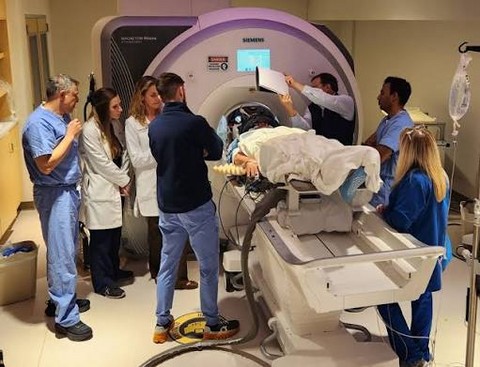
A diagnosis of Alzheimer’s disease can make a family feel as if the future has already been decided. That is exactly why novel Alzheimer treatments matter. For the first time, medicines are available that can slow biological change in some people at the earliest stages of the disease. They are not cures. They do not restore every lost memory. But dismissing them as “just another drug” would be a serious mistake.
The old reality was brutal: doctors could offer medications that sometimes eased symptoms for a time, while the underlying disease continued largely unchecked. The new reality is more complicated, more demanding, and more hopeful. It asks patients and families to act early, get clear testing, weigh real risks, and refuse both false promises and fatalism.
Why Novel Alzheimer Treatments Are Different
Alzheimer’s disease involves damaging changes in the brain that can begin years before obvious dementia. One major change is the buildup of amyloid-beta, a protein that forms sticky plaques. Another is tau, a protein that can form tangles inside nerve cells. Inflammation, blood-vessel damage, sleep problems, metabolic illness, and loss of connections between brain cells can also influence how quickly a person declines. For more articles and books of interest Click Here
Earlier Alzheimer’s drugs mainly focused on symptoms. Cholinesterase inhibitors such as donepezil can support chemical signaling between nerve cells for some people. Memantine may help some patients with moderate to severe symptoms. These medicines still have a role, but they do not directly remove amyloid plaque or stop the disease process.
The newest approved medicines are disease-modifying anti-amyloid antibodies. Lecanemab, sold as Leqembi, and donanemab, sold as Kisunla, are designed to help remove amyloid from the brain. In clinical trials, they slowed cognitive and functional decline in carefully selected people with early Alzheimer’s disease.
That word, slowed, must be understood plainly. A slower decline is not the same as reversal. A person may still have worsening memory and need more support over time. Yet months of preserved independence can be profoundly meaningful. It may mean more time managing medications, preparing a meal, recognizing loved ones, making financial decisions, or participating in the ordinary moments that give a life dignity.
Who May Benefit From New Alzheimer Drugs?
These treatments are not intended for every person with memory loss. They are generally considered for people with mild cognitive impairment due to Alzheimer’s disease or mild Alzheimer’s dementia, and only after testing confirms amyloid in the brain.
That confirmation may come from a PET scan, a spinal fluid test, or, increasingly, carefully used blood-based biomarkers. A blood test can be an important screening tool, but it is not a license to guess. Memory trouble can result from medication side effects, depression, thyroid disease, vitamin deficiencies, sleep apnea, hearing loss, stroke, infection, and other conditions. Families deserve a serious workup, not a rushed label.
Timing is one of the hardest truths. By the time Alzheimer’s is advanced, extensive injury to brain cells may already have occurred. Removing amyloid at that point is less likely to produce meaningful benefit. This is why a person who has new, persistent changes in memory, language, judgment, navigation, or daily functioning should not simply be told to “wait and see.” Early evaluation is not panic. It is a practical act of self-defense.
The Trade-Offs Families Cannot Ignore
Anti-amyloid medicines are not casual prescriptions. They require specialist oversight, regular infusions or injections depending on the treatment plan, and repeated monitoring. They can also be expensive and difficult to access, particularly when a patient lives far from a memory center or infusion clinic.
The most serious concern is ARIA, short for amyloid-related imaging abnormalities. ARIA can involve swelling or small areas of bleeding in the brain. Many cases are found on scheduled MRI scans before symptoms appear. Others can cause headache, confusion, dizziness, nausea, visual changes, or seizures. Rarely, complications can be severe or fatal.
Risk is not equal for everyone. People with certain MRI findings, those who carry two copies of the APOE4 gene variant, and people taking blood-thinning medications may face higher risk. Genetic testing may be discussed before treatment, not to frighten a family, but to make an informed decision. The right question is not, “Is this drug safe?” No powerful medicine is safe in the abstract. The right question is, “Is the possible benefit worth the risk and burden for this person?”
A patient who is physically frail, has advanced dementia, has frequent brain microbleeds, or cannot reliably complete MRI monitoring may not be a good candidate. On the other hand, a healthy, motivated person in the earliest stage, with strong caregiver support and access to a qualified center, may reasonably decide that slowing decline is worth the commitment.
What Is Coming After Amyloid?
The fight against Alzheimer’s cannot end with amyloid. Amyloid removal has proven that changing the biology of the disease is possible, but it has also revealed the limits of a one-target strategy. Researchers are now pursuing treatments aimed at tau, neuroinflammation, insulin and metabolism in the brain, synaptic repair, and the health of the brain’s blood vessels.
Tau may be especially important because its spread often tracks more closely with cognitive decline than amyloid alone. Several tau-targeting approaches are being studied, including antibodies, vaccines, and medicines intended to prevent tau from clumping or spreading between cells. These remain investigational. Families should be alert to headlines that convert early trial results into miracle claims.
Inflammation is another frontier. The brain’s immune cells can help clear debris, but chronic or poorly controlled inflammation may also damage healthy tissue. Scientists are testing ways to calm harmful immune activity without disabling the brain’s natural defenses. This work is promising, but it is not yet a reason to buy expensive supplements marketed as “brain inflammation cures.”
There is also renewed attention on combination treatment. Cancer care changed when doctors stopped expecting one drug to defeat every part of the disease. Alzheimer’s may require a similar approach: one therapy for amyloid, another for tau or inflammation, alongside aggressive management of blood pressure, diabetes, sleep, hearing, mood, exercise, and social isolation.
Treatment Must Not Replace Daily Brain Protection
A new infusion cannot cancel out years of unmanaged vascular risk. High blood pressure, smoking, diabetes, inactivity, poor sleep, and untreated hearing loss can all threaten cognitive function. Some raise the risk of Alzheimer’s, while others contribute to vascular brain injury that can exist alongside it.
The strongest lifestyle measures are not glamorous, but they are powerful tools. Regular physical activity, especially walking and strength work, supports blood flow and mobility. A diet centered on vegetables, beans, fruit, fish, nuts, olive oil, and minimally processed foods supports heart and brain health. Treating sleep apnea, staying socially connected, managing depression, using hearing aids when needed, and challenging the mind with meaningful learning can all protect function.
These habits do not guarantee that Alzheimer’s will never occur. Anyone claiming otherwise is selling certainty they do not possess. But lifestyle action remains essential because it improves health, resilience, mood, mobility, and quality of life whether or not someone qualifies for a disease-modifying drug.
Questions to Bring to a Memory Specialist
Families often leave an appointment overwhelmed, then realize too late that they did not ask what mattered. Bring a written list. Ask whether the symptoms are consistent with Alzheimer’s, what testing confirms the diagnosis, and whether another condition could be contributing. Ask whether the person is in the early stage required for anti-amyloid treatment and what the expected benefit looks like in daily life.
Also ask about ARIA risk, MRI schedules, APOE4 testing, blood thinners, out-of-pocket costs, travel demands, and what happens if treatment must be stopped. If the answer is vague, seek a second opinion from a clinician experienced in cognitive disorders. This is not disrespect. The stakes are too high for passive acceptance.
A Clear-Eyed Reason for Hope
Novel Alzheimer treatments do not erase the heartbreak of this disease. They do, however, break the old silence that said nothing could be changed. That is a major shift, and families should meet it with urgency, not denial.
Learn the facts. Document changes early. Protect sleep, movement, heart health, and connection now, not after a crisis. Seek medical guidance from qualified professionals, since this information is educational and cannot diagnose or replace personal medical care. The most useful hope is not blind optimism. It is the decision to confront Alzheimer’s directly while there is still time to act.
Paragraph 3
Nunc sapien mauris, imperdiet ac pellentesque quis, facilisis non sapien. Maecenas congue vehicula mi, id luctus mi scelerisque nec. Cras viverra libero ut velit ullamcorper volutpat. Maecenas ut dolor eget ante interdum auctor quis sed nunc. Proin faucibus, mauris vitae molestie sodales, erat nisi rhoncus justo, in placerat turpis elit sed eros. Mauris molestie, justo et feugiat rutrum, arcu metus dapibus quam, sollicitudin tempus tortor dolor et nibh.
Paragraph 4
Nunc sapien mauris, imperdiet ac pellentesque quis, facilisis non sapien. Maecenas congue vehicula mi, id luctus mi scelerisque nec. Cras viverra libero ut velit ullamcorper volutpat. Maecenas ut dolor eget ante interdum auctor quis sed nunc. Proin faucibus, mauris vitae molestie sodales, erat nisi rhoncus justo, in placerat turpis elit sed eros. Mauris molestie, justo et feugiat rutrum, arcu metus dapibus quam, sollicitudin tempus tortor dolor et nibh.
Paragraph 5
Nunc sapien mauris, imperdiet ac pellentesque quis, facilisis non sapien. Maecenas congue vehicula mi, id luctus mi scelerisque nec. Cras viverra libero ut velit ullamcorper volutpat. Maecenas ut dolor eget ante interdum auctor quis sed nunc. Proin faucibus, mauris vitae molestie sodales, erat nisi rhoncus justo, in placerat turpis elit sed eros. Mauris molestie, justo et feugiat rutrum, arcu metus dapibus quam, sollicitudin tempus tortor dolor et nibh.